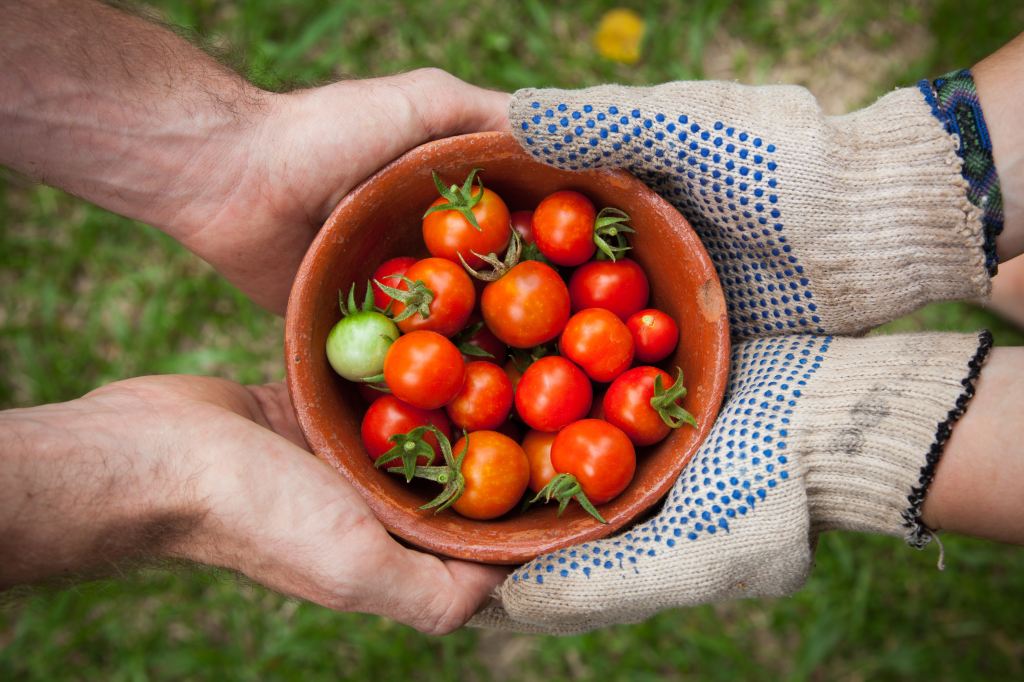
Gardening can be a remarkably pleasant and gratifying pastime. Not only can you enjoy fresh, organic fruits and vegetables straight from the earth to your dinner table, but gardening comes with an extensive list of physical and mental health benefits. That said, gardening isn’t always as straightforward as you would like for it to be. Ensuring the health and well-being of your crops for higher yields can often feel like a constant battle. Here are some of the most common gardening complaints and how to overcome them.
Pests
Garden pests can be a nightmare to control. Caterpillars, aphids, moths and even rodents can stunt plant growth by nibbling away at young shoots and leaves, leaving you with disappointing yields. Fortunately, there are numerous methods of pest control to help keep any pesky critters at bay. Many gardeners opt for natural, organic methods that cause minimal harm to the environment and beneficial insects, such as horticultural soap spray or neem oil. You could also use preventative measures like bordering your plants with copper tape to deter slugs and snails.
Limited Room
Running out of space can be disappointing, particularly if you want to grow plants that require extra room to thrive, such as courgettes or pumpkins. Organising your garden plot strategically will help you fit in as much as possible without overcrowding your crops, thus compromising their well-being. However, you can fit in even more by using vertical space. You can plant a vertical garden by using a trellis or homemade frame made from pallets, upon which you can hang multiple planters, increasing the number of plants per square foot considerably.
Chemicals
Some of the chemicals used for gardening can be extremely harmful to humans, animals and the environment. For instance, a great deal of commercially-grown crops are fertilised using pesticides and herbicides, resulting in soil degradation and waterway pollution. While the prevalence of organic farming is continuously increasing, you can do your bit by using organic materials and sustainable methods in your own garden.
Injuries
If you’re a conscientious gardener, you should be able to avoid injury for the most part. However, accidents happen, so always be alert and aware of hazards. Take care when using sharp gardening tools like secateurs, and wear gloves to protect your hands from cuts, stings and insect bites. Additionally, gardening can put a lot of strain on joints, neck and lower back. Avoid staying hunched over for long periods, use a cushioned kneeling mat and always keep good posture when lifting heavy objects like logs and bags of compost.
Unpredictable Weather
Gardening in the UK can be tremendously successful, as our mild climate allows for the cultivation of a broad range of crops. That said, the unpredictability of the British weather can well and truly put a damper on things. However, by using an indoor hydroponic grow room, you can micromanage growing conditions and successfully cultivate crops from all climates. You can buy everything you need to delve into the world of hydroponics in UK stores nationwide. It may seem complex at first, but hydroponic growing is a lot easier than it looks.
Weeds
Weeds are the gardener’s nemesis. Keeping weeds at bay can often feel like running in circles – not a minute after you’ve pulled them out, more sprout up out of nowhere. While weeds like dandelions and nettles are relatively harmless (save for a few stings), some weeds, like foxgloves and ragwort, are profoundly dangerous for humans and animals and can kill when even a small amount is ingested. Always wear gloves when pulling weeds out of the ground, as plants such as hemlock may cause skin irritation. Keep on top of the weed population and only use organic weed killers as a last resort.
Unwelcome Visitors
Along with pests, your garden may receive unwelcome visitors such as foxes, rabbits and neighbourhood cats who may damage your crops and use your plot as a toilet. Rabbits are voracious veggie eaters and won’t think twice about feeding on your produce. Similarly, foxes may eat ripening fruits and trample your garden. That being said, deterring wildlife without causing unnecessary harm is relatively straightforward. Ensure your bins are secure, and use cages/netting to protect your crops. You can also keep foxes away by filling old tights with human hair trimmings, signalling that the garden is your territory. Here are some more excellent pest control tips.
 Screenlock